

If you’ve been grocery shopping lately, you know how quickly the total adds up. It seems like every trip costs a little more than the last, and feeding a family on a budget can feel overwhelming.
The good news? You don’t have to spend hours clipping coupons or driving all over town to save money.
Over the years, I’ve found a handful of simple grocery habits that consistently help stretch our food budget without making life more complicated. These are the tricks I use almost every week, and they’ve made a noticeable difference for our family.
If you’re looking to spend less while still putting good meals on the table, here are my favorite grocery-saving tips.
1. Never Shop Without a Meal Plan
The biggest money saver isn’t a coupon—it’s having a plan.
Before I ever head to the store, I decide exactly what we’re eating for the week. Knowing our meals helps me avoid buying ingredients we won’t use and keeps those last-minute takeout trips to a minimum.
Even a simple list of five or six dinners can make grocery shopping faster and cheaper.
Pro Tip: Plan one meal that intentionally creates leftovers for lunch the next day.
2. Check the Weekly Sales Before Making Your List
Instead of deciding what I want to cook first, I look at what’s on sale.
If chicken is discounted, that’s probably what’s for dinner this week. If ground beef is expensive, I’ll build meals around another protein instead.
Planning around sales lets you save money without feeling like you’re sacrificing anything.
3. Buy Pantry Staples When They’re on Sale
Some items are worth stocking up on because you’ll eventually use them anyway.
I like to keep extras of things like:
- Pasta
- Rice
- Flour
- Sugar
- Canned vegetables
- Chicken broth
- Peanut butter
- Oats
Buying these when prices are low means I don’t have to pay full price later.
4. Skip Pre-Cut Convenience Foods
Pre-sliced fruit, shredded cheese, chopped onions, and individually packaged snacks may save a few minutes, but they usually cost significantly more.
Whenever possible, I buy the whole version and do a little prep at home.
It takes just a few extra minutes and can save quite a bit over the course of a month.
5. Compare the Unit Price—Not Just the Sticker Price
A bigger package isn’t always the better deal.
Most grocery stores list the unit price right on the shelf label, showing the cost per ounce, pound, or item.
A quick glance at that number makes it much easier to find the best value instead of just grabbing the biggest package.
6. Keep a “Use It First” Shelf
One of the easiest ways to waste money is forgetting what you already bought.
I keep one shelf in the refrigerator for foods that need to be used first.
Yogurt that’s close to its date, leftover vegetables, half-used cheese, or last night’s dinner all go there.
Seeing those items first helps reduce food waste and stretches our grocery budget.
7. Keep a Few Budget Meals Ready to Go
Not every week goes according to plan.
That’s why I always keep ingredients on hand for a few inexpensive meals that my family enjoys.
Some of our favorites include:
- Breakfast for dinner
- Homemade pancakes
- Spaghetti
- Bean soup
- Grilled cheese and tomato soup
- Tacos
- Homemade fried rice
Having affordable backup meals keeps us from ordering takeout when life gets busy.
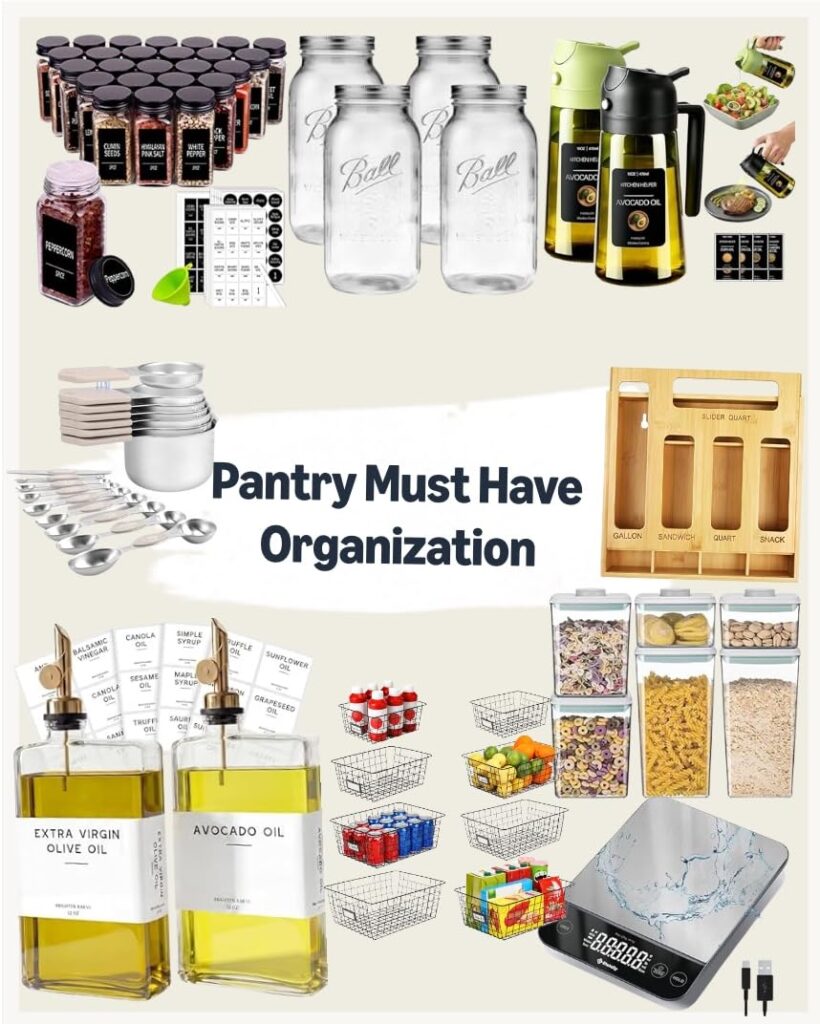
Shop My Favorite Kitchen Essentials
One of the questions I get asked most often is what products I actually use in my own kitchen. Over time, I’ve found a handful of affordable tools that make meal planning, grocery shopping, food storage, and everyday homemaking so much easier.
If you’re looking to build a functional kitchen without spending a fortune, I’ve gathered many of my favorite tried-and-true items in one place.
👉 Browse my favorite kitchen essentials: Here
Thank you for supporting Southern Bell Homestead! When you shop through my links, I may earn a small commission at no additional cost to you. It helps support the free recipes, budget tips, and homemaking content I love sharing with you.
Bonus Grocery Saving Tips
A few other habits that have helped our family include:
- Shop your pantry before making your grocery list.
- Freeze extra meat before it spoils.
- Store produce correctly so it lasts longer.
- Don’t grocery shop when you’re hungry.
- Buy seasonal produce whenever possible.
- Cook from scratch when it makes sense.
- Keep a running grocery list throughout the week.
None of these habits are complicated, but together they can make a big difference over time.
Frequently Asked Questions
What’s the easiest way to start saving money on groceries?
Start with meal planning. Knowing exactly what you’re buying helps reduce impulse purchases and food waste.
Is buying in bulk always cheaper?
Not always. Compare the unit price before buying larger packages, and only purchase bulk items you’ll actually use.
How can I spend less without clipping coupons?
Planning meals around weekly sales, cooking from scratch more often, buying pantry staples on sale, and avoiding food waste can save just as much—or more—than traditional couponing.
Final Thoughts
Saving money on groceries doesn’t have to mean eating boring meals or spending hours searching for deals.
Small habits practiced consistently can make a big impact over time. These grocery tricks have helped our family spend less, waste less, and feel more prepared each week.
If you’re trying to make your grocery budget stretch a little further, start with one or two of these tips and build from there.
I’d love to know—which grocery trick saves your family the most money? Share your favorite in the comments!
Happy homemaking,
Southern Bell Homestead